Why Should We Care?
ANWR Adventure #4

This is the last reflection I’m planning to write about my trip to the Arctic National Wildlife Refuge, at least for now.
That qualifier “at least for now” is relevant, because I have learned that places like ANWR do not leave you alone just because you have left them. I am back home in Indiana, surrounded again by roads, grocery stores, indoor plumbing, and the ordinary miracle of having electricity come out of the wall whenever I ask for it. But part of me is still in that valley, watching the sun circle the horizon, scanning the slopes for bears, listening for the river next to camp, and trying to understand what that place asked of me.
The question I’ve been contemplating is: Why should we care? ANWR is so far away and hardly any of us will ever see it.
That little word should puts my question into a different register than questions about which flavor of ice cream is best or (I’m sad to admit) which baseball team is the best. I’m not just asking about opinions like those.
I’m not even asking about simple factual questions like whether ANWR is beautiful, interesting, remote, contested, or full of charismatic megafauna who occasionally tolerate visiting philosophers with binoculars.
I’m asking a moral question. What claim does this place have on us?
During the trip, I asked the others in our group some version of that question: Why do you care about this place?
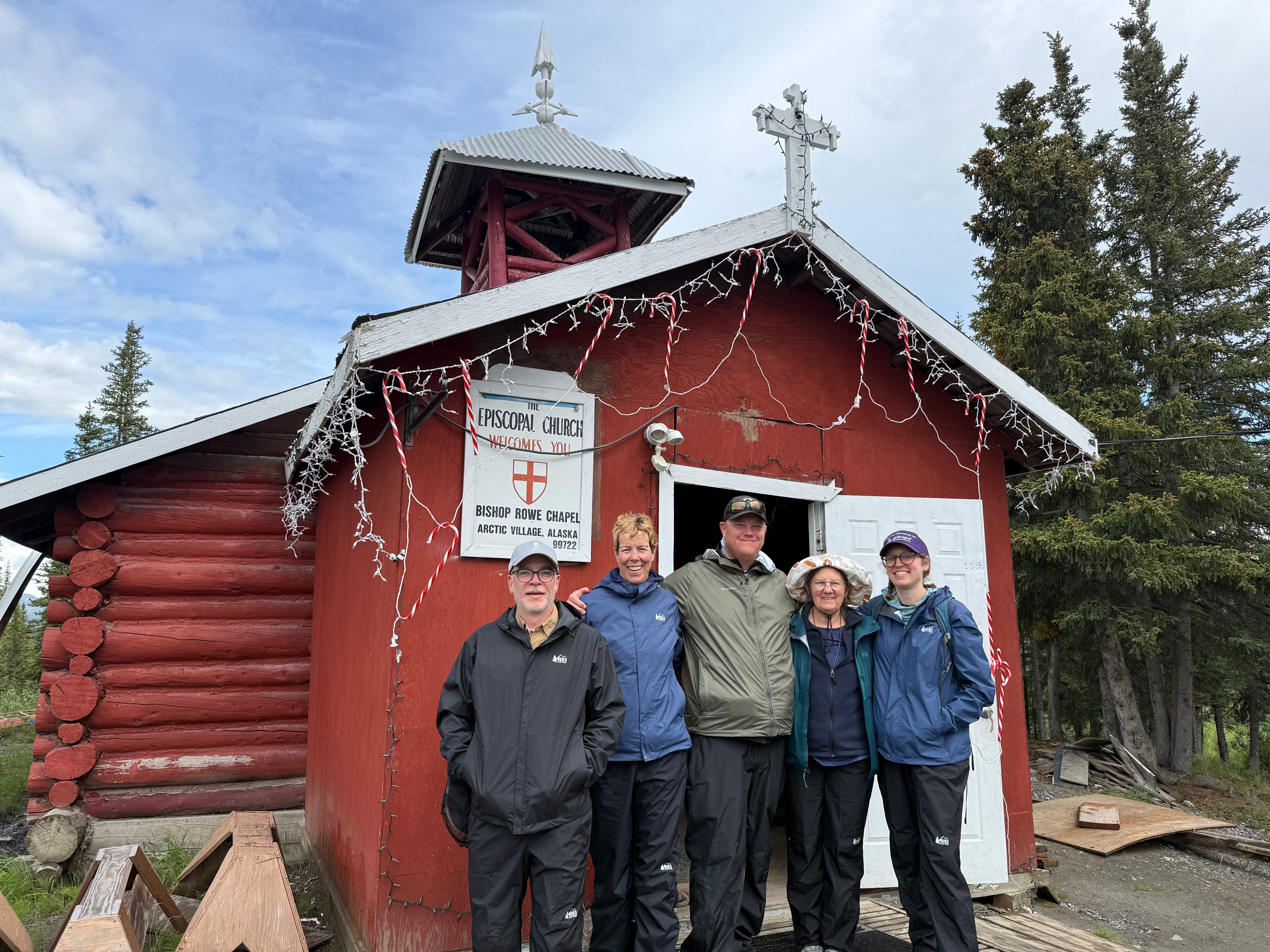
Courtenay said she couldn’t not care. It is not, for her, first of all a decision she made after weighing arguments. She simply finds that she does care about ANWR. And she takes that as a sign that God has given her this desire. There are things we discover in ourselves before we can fully explain them.
Andrew started with John 3:16: “For God so loved the world.” Not just souls. Not just humans. Not just my favorite people or my preferred tribe. The world. If God loves the world, Andrew asked, then how can we call ourselves faithful if we do not love what God loves?
Sister Joan spoke about connection. We are created to love, she said, and everything is interdependent, intertwined with everything else. She loves this place because she is connected to it. Loving means solidarity — with the Gwich’in, with the caribou, with the whole web of life that depends on this land.
Susie said she has always loved animals, and in some ways has been more comfortable around them than around people. When you love animals, you want to protect what allows them to be themselves. That is not unique to ANWR, of course. But the sheer scale and wildness of this place makes the question feel especially urgent.
These were not identical answers. That’s significant. Even among the five of us “faith leaders” who all care deeply about protecting the created order, the reasons were not all the same. Desire. Scripture. Solidarity. Love of animals. Reverence for creation. Moral responsibility. Each person came to the place with a slightly different language for care.
That seems important to me, because the goal of this trip was not only to get people like us to care. The goal is to get more people to care about this place, including people who do not share our starting points.
And this is where things get difficult.
The “should” in “Why should we care?” means we are entering moral debate. And moral debate in our culture is, to use the technical philosophical term, a mess.
Our disagreements are not going to be solved by someone finally making the perfect argument. I would love to believe otherwise. I was trained as a philosopher, so some part of me still wants to define the terms, arrange the premises, check for validity, and wait for the sweet music of universal agreement.
But that is not how our collective moral life of “shoulds” and “oughts” works, at least not right now. We do not all share a common vision of the good. We do not all recognize the same authorities. We do not all respond to the same appeals.
If Andrew quotes John 3:16, some people will say, “So what? I don’t care what the Bible says.” If Susie says we should protect the animals, some people will say, “I care more about people.” If I say the world is creation, not raw material, some people will say, “That’s your religious view, not mine.” If we appeal to the intrinsic good of wilderness, someone else will ask about jobs. If we appeal to climate change, someone else will ask about energy independence.
So the question is not whether one argument will persuade everyone. It won’t. Maybe the question is whether almost any serious moral starting point gives us reason to care about ANWR, and to leave it wild.
Start with Christian faith, since that is my own tradition, even though I know Christians are not of one mind here. My Christian reasons for caring about ANWR swim upstream against other Christian instincts in our culture: dominion without restraint, economic growth treated as an unquestioned good, a spiritualized gospel in which actual land and animals matter only as scenery for human salvation.
But the Christian tradition has deeper resources than that. Creation is a gift to all before it is commodity for 21st century humans. The Psalms imagine rivers, trees, mountains, heavens, and creatures praising God without waiting for human permission. God called the created world good before we figured out how to make it useful to us.
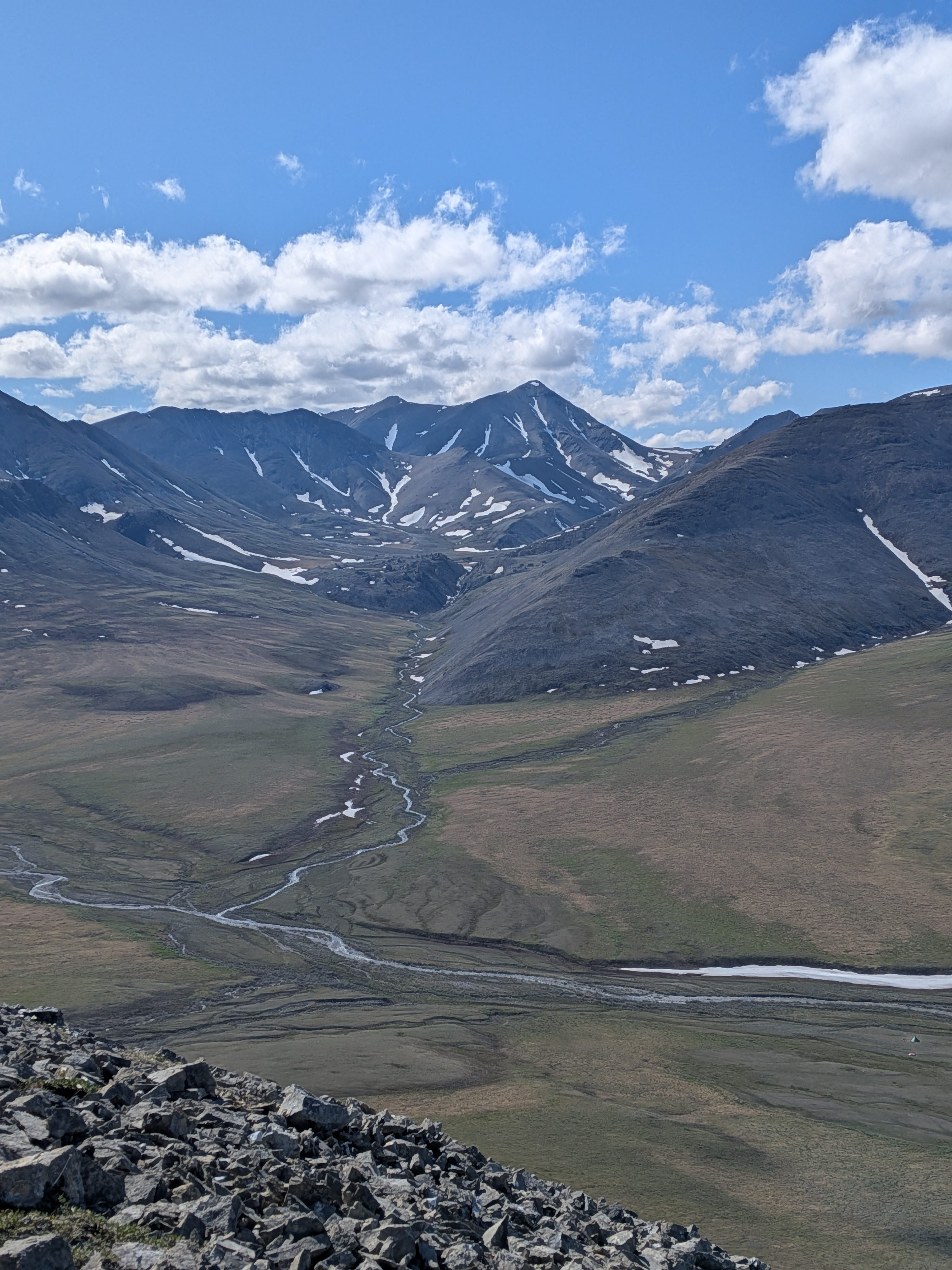
But maybe that doesn’t particularly resonate with your values.
Maybe your highest concern is energy independence. That is not a trivial concern. People need heat, transportation, electricity, and the hidden systems that make modern life possible. But ANWR is not the solution. Even generous assessments of recoverable oil under the coastal plain amount to roughly what the United States uses in about a year. And extracting it would require years of development in one of the most remote and difficult environments on earth. If energy independence is the goal, “drill baby drill” in ANWR is a distraction from harder, longer-term questions about consumption, efficiency, resilience, and transition.
Maybe your concern is jobs for Alaskans. Jobs matter. Health care, schools and infrastructure matter. We should not romanticize remote Indigenous life as if modern medicine and conveniences have not dramatically improved life expectancy and reduced suffering. Subsistence life can be beautiful, skillful, communal, and deeply connected to land and animals. It can also be hard and precarious.
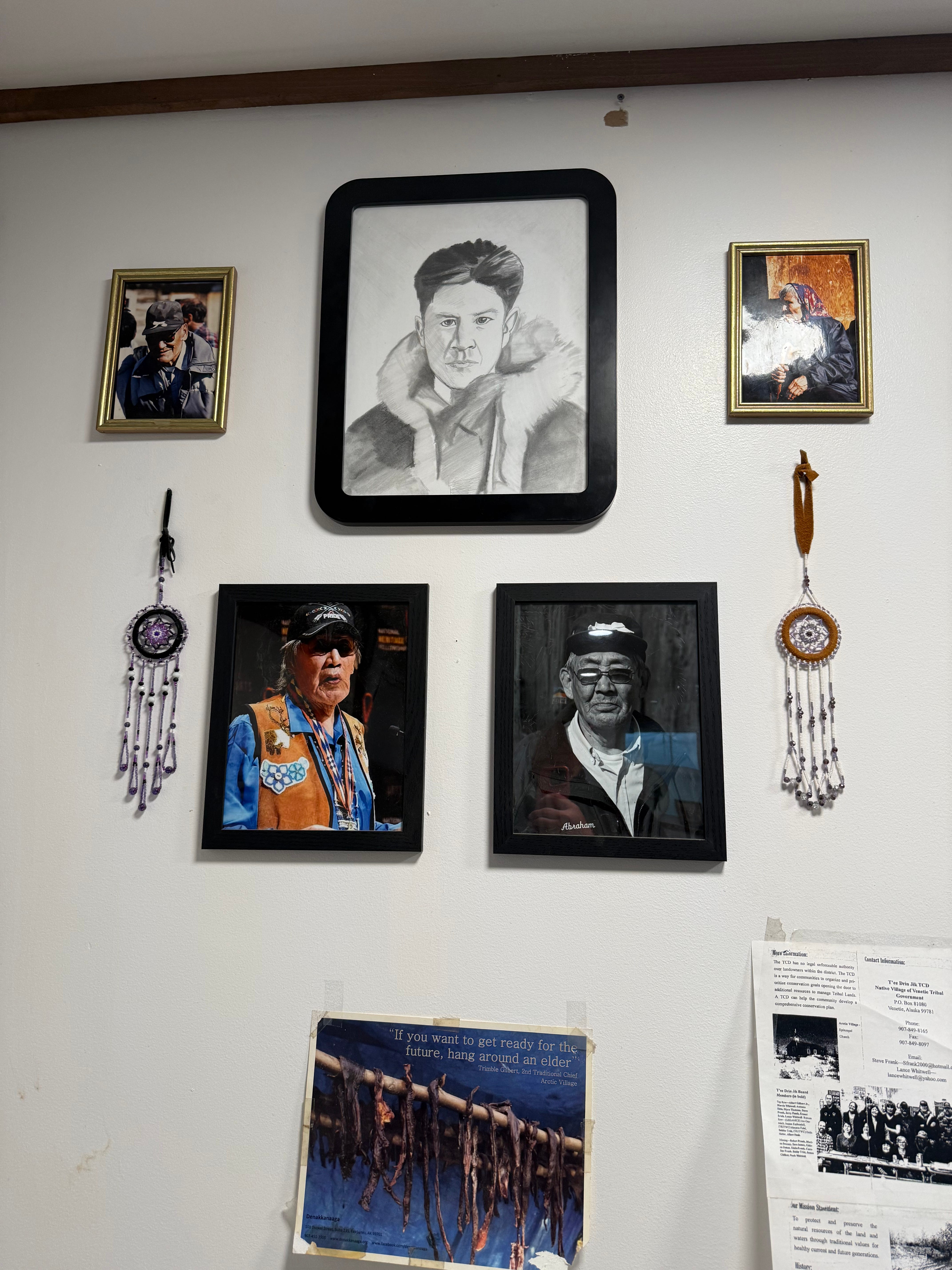
And Indigenous communities are not all of one mind. Many Gwich’in people have been among the strongest voices defending the coastal plain because of its importance to the Porcupine caribou herd. Others in Alaska weigh the promises of oil money differently. None of this should be flattened into a tidy morality play.
But the promise of local jobs is often overstated. A new industrial operation in the Arctic would not mainly create stable, high-paying jobs for local people without specialized training. Many of the best jobs would go to people brought in from elsewhere. A few local jobs are not nothing, but they are a thin justification for permanently altering one of the wildest protected landscapes left in this country.
Maybe your concern is fiscal responsibility. Then ask what the public is being asked to give away, and for what return. The Arctic Refuge belongs to all of us, in the public sense. It is part of our national inheritance. Selling access to it for oil and gas development risks something irreplaceable for returns that have so far been laughably small compared with what was promised.
Maybe your concern is animals. Then the case is direct. ANWR is not land with animals sprinkled on top. It is home. The caribou, birds, bears, wolves, foxes, wolverines, ground squirrels, insects, fish, and tundra plants are part of a living system shaped over long stretches of time. As Susie said, to love animals is to protect the conditions that let them be themselves.
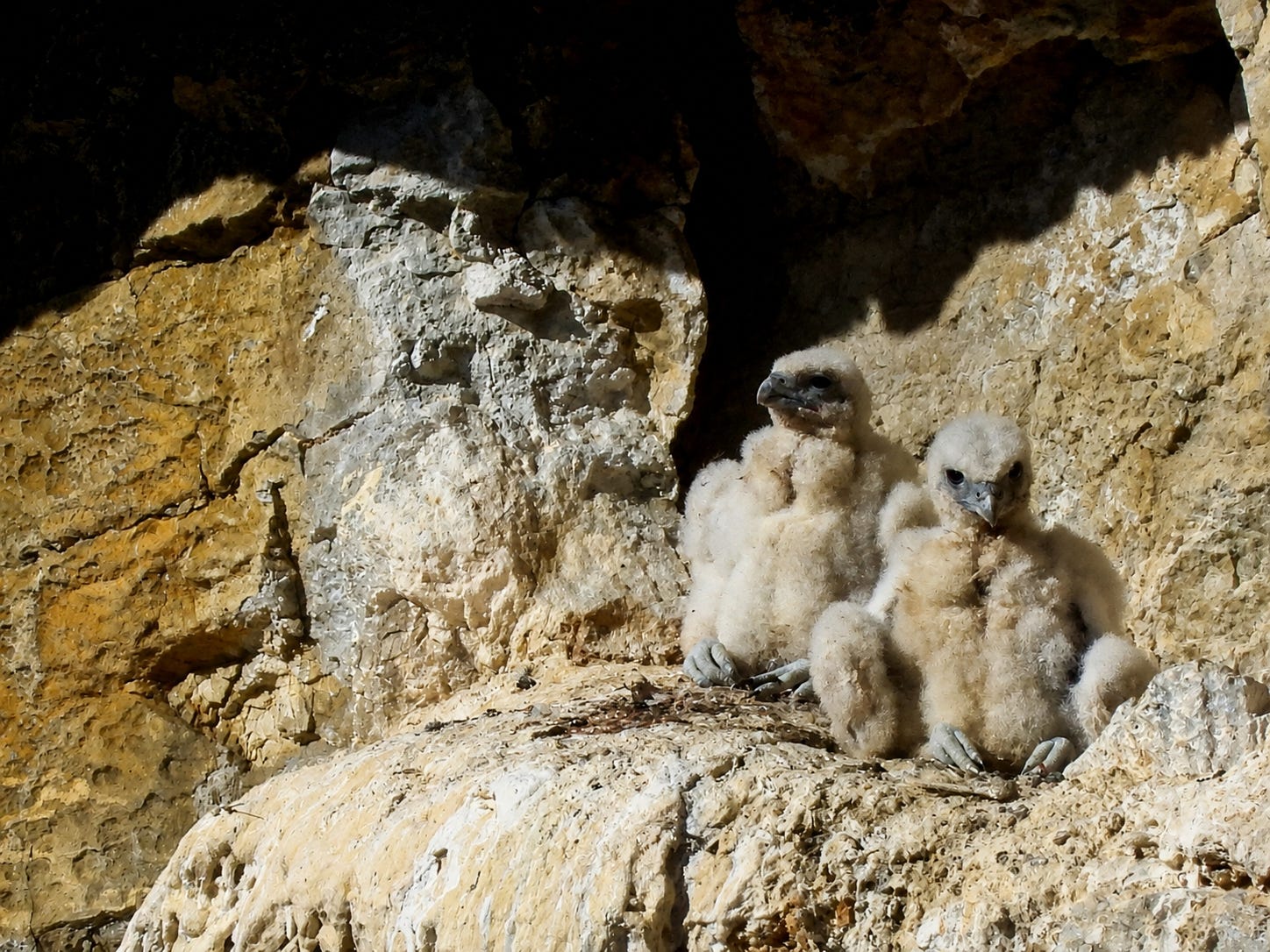
Maybe your concern is climate. Then opening new fossil fuel frontiers is exactly the wrong direction. We cannot keep burning ancient organic matter faster than the atmosphere, oceans, forests, and soils can absorb the carbon, then act surprised when the systems groan.
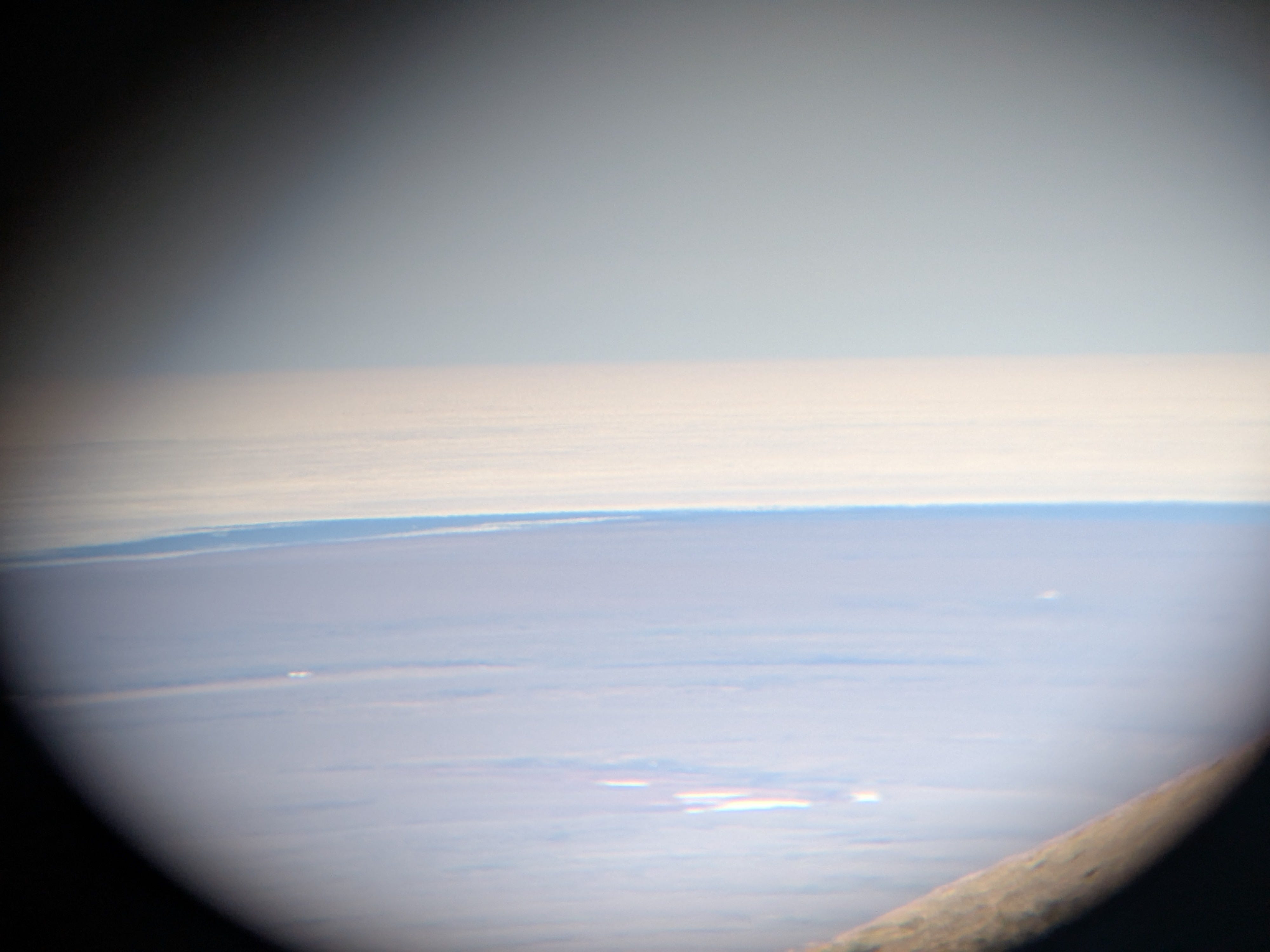
Maybe your concern is democracy and the common good. Then pay attention to who benefits. The public is asked to surrender a refuge, a wilderness, a living system, a national inheritance. The benefits would flow heavily toward a few companies, investors, and people positioned to profit. The people currently in power have shown, by their actions, that the enrichment of a few often matters more to them than the flourishing of the many.
And maybe your concern is character. What kind of people do we become if we refuse to leave anything alone?
That is the question I’ve been interested in unpacking. ANWR matters not only because of what it contains, but because of what protecting it requires from us: restraint, humility, patience, attention to what is far away, and the ability to honor value that does not translate neatly into price.
So what can we do?
The American Lands Project has been clear that this is not a moment for despair, even though the immediate legal and political pathways are limited. It has taken decades of citizen advocacy to slow drilling in the Arctic Refuge. Public engagement matters.
Here are a few concrete next steps they suggest:
Pay attention this fall. A public comment period is expected later this year, likely between Halloween and Thanksgiving, on proposed seismic testing in the coastal plain. That will be an important official opportunity to speak against further exploration.
Contact your elected officials. Call your senators and representative (find them here) and tell them you oppose oil and gas development in the Arctic Refuge and Western Arctic. This threat exists because Congress opened the door to leasing, so Congress needs to hear from us.
Help others understand what is at stake. Share articles, posts, films, and resources about ANWR with people in your circles. ProtectTheArctic.org is a good place to watch for updates and action alerts.
Learn from and support those already leading. Follow and support indigenous groups such as the Gwich’in Steering Committee and Grandmother’s Growing Goodness.
Host a conversation. Consider screening The Arctic: Our Last Great Wilderness with friends, a church group, a library, or another community setting (it’s free!). Sometimes care begins simply by helping people see what they had not seen before.
None of this is flashy. It doesn’t fix everything at once. It is the slower work of commitment.
But that is where my hope is. Not in vague optimism. Not in the fantasy that everything will somehow work out because good intentions are floating in the atmosphere. Hope is not a mood. Hope is a practice. Hope is what we do when we commit ourselves to the good we have seen.
Bearing witness to ANWR has been a privilege, and I know most of you will never go there. But I hope something of what I saw can travel.
I hope the bear keeps roaming those hills. I hope the wolverine keeps dancing through that valley. I hope the caribou keep crossing cold streams under the midnight sun. I hope the Gwich’in communities who depend on those caribou are heard and honored. I hope the birds keep coming to feast on mosquitoes I am now willing to bless from a safe distance. I’m willing to commit to actions that make those hopes more likely.
And I hope we become the kind of people who can care about a place far away, not because it is useful to us, but because it is good.
I wrote a long comment to this post, but I felt it was too long, so I decided to make it a post on my own Substack. Also another way to spread your message. It can be found here: https://sygarte.substack.com/p/reply-to-jim-stump
Wonderful piece! Thank you for your advocacy. I’m delighted to follow your work. ~Ann Soule-Shreffler, attending your group’s pre-trip dinner in Fairbanks in mid-June.